

By Erick Johnson
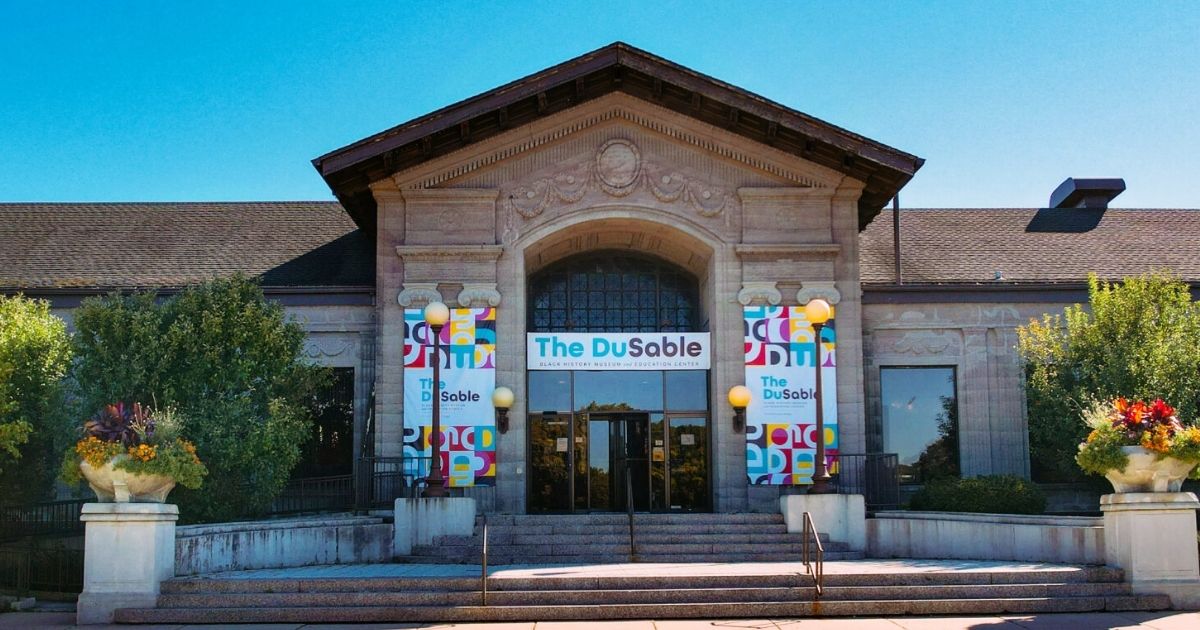
An internal investigation is underway at the DuSable Museum and Education Center, but neither the media nor an attorney knew that until it was revealed in a court hearing at the Richard J. Daley Center on Tuesday, February 3.
It was a revelation that surprised Attorney Justin DeLuca at the first appearance of the court case. His client is Kim Dulaney, a fired DuSable employee who filed a retaliation lawsuit against the Black institution in Washington Park.
With emails and documents saved from work, Dulaney, who was vice president of programs and education, filed a whistleblower complaint in December alleging she was fired after she told government agencies that the DuSable Museum allegedly misused funds during her employment. Her lawsuit claims the museum’s board and Human Resources did nothing about her allegations before they fired her on October 3 due to restructuring.
Since then, the DuSable has been publicly silent about whether it took steps to address Dulaney’s allegations.
But on Tuesday during a court hearing, the DuSable’s attorney revealed information that raised questions and set the stage for a legal battle that involves one of Chicago’s most cherished institutions.
In courtroom 2010, DeLuca approached the bench of Judge James Hanlon after the court clerk called the case. Katherine Rodosky, the DuSable’s attorney, appeared remotely via a flatscreen during a Zoom livestream.
Rodosky then asked the judge for a couple of months to get her defense together because the museum retained prominent Attorney Patricia Brown Holmes, who has been conducting an internal investigation into Dulaney’s allegations.

DeLuca called the request “excessive.” Judge Hanlon agreed, but he still gave Rodosky nearly two months and set a status hearing for March 30.
Rodosky gave no details about the ongoing internal investigation at the museum. DuSable Media Director Raymond Ward did not respond by press time to the Crusader’s emailed questions about the internal investigation.
After the hearing, DeLuca expressed disbelief and shock about the DuSable’s ongoing internal investigation into his client’s allegations.
“Today was the first time I heard that they were doing an internal investigation,” DeLuca told the Crusader. “Why didn’t they tell me this before in response to my client’s lawsuit?”
Tuesday’s revelation raised more questions as to why the DuSable did not conduct the internal investigation while Dulaney was still employed. There’s also the question of why the DuSable did not tell the media or the public about the ongoing investigation amid transparency and accountability concerns. And will the results of the investigation be disclosed to the public and the media?
These questions are fueling concerns among former DuSable employees and critics that the internal investigation is being conducted to cover up the alleged problems and clear the museum of any alleged wrongdoing.
Those concerns come months after a Crusader story revealed the museum’s tax filings reflected losses for a number of years under President and CEO Perri Irmer. The museum has declined to release audits, financial reports and Irmer’s employment contract. Two days after the story was published, DuSable Board Chair Carol Moseley Braun said despite the new reports, Irmer has “full support” of the DuSable Board. The letter did not address the deficits or mention whether there was investigation into problems the Crusader raised in its investigation.
Irmer did not attend Tuesday’s hearing. In addition to the DuSable Museum, Irmer is a defendant in Dulaney’s lawsuit. Rodosky represents the DuSable and its Board of Trustees. During the hearing, Rodosky said the museum carrier insurance firm is searching for a separate attorney to defend Irmer which is common practice to avoid any actual or apparent conflict in legal representation of multiple parties that are part of the same organization.
Holmes is a prominent attorney and managing partner in the Chicago law firm of Riley Safer Holmes & Cancila.
According to the firm’s website, this year, Holmes was named to Lawdragon’s Top 500 Lawyers in America.
Prior to serving as an associate judge in the Circuit Court of Cook County, Holmes was an Assistant U.S. Attorney and an Assistant State’s Attorney. The firms say Holmes is one of only a handful of attorneys in the State of Illinois who has tried cases in state, city, and federal court as well as state appellate, federal appellate, and state supreme courts.
Holmes was the special prosecutor in the case against three Chicago police officers who were accused of trying to cover up the Laquan McDonald case. Charged with conspiracy, obstruction of justice for altering police reports, the officers were acquitted in a highly publicized bench trial in Chicago in 2019.By Erick Johnson
An internal investigation is underway at the DuSable Black History Museum and Education Center, but neither the media nor an attorney knew that until it was revealed in a court hearing at the Richard J. Daley Center on Tuesday, February 3.
It was a revelation that surprised Attorney Justin DeLuca at the first appearance of the court case. His client is Kim Dulaney, a fired DuSable employee who filed a retaliation lawsuit against the Black institution in Washington Park.
With emails and documents saved from work, Dulaney, who was vice president of programs and education, filed a whistleblower complaint in December alleging she was fired after she told government agencies that the DuSable allegedly misused funds during her employment. Her lawsuit claims the museum’s board and Human Resources did nothing about her allegations before they fired her on October 3 due to restructuring.
Since then, the DuSable has been publicly silent about whether it took steps to address Dulaney’s allegations.
But on Tuesday during a court hearing, the DuSable’s attorney revealed information that raised questions and set the stage for a legal battle that involves one of Chicago’s most cherished institutions.
In courtroom 2010, DeLuca approached the bench of Judge James Hanlon after the court clerk called the case. Katherine Rodosky, the DuSable’s attorney, appeared remotely via a flatscreen during a Zoom livestream.
Rodosky then asked the judge for a couple of months to get her defense together because the museum retained prominent Attorney Patricia Brown Holmes, who has been conducting an internal investigation into Dulaney’s allegations.
DeLuca called the request “excessive.” Judge Hanlon agreed, but he still gave Rodosky nearly two months and set a status hearing for March 30.
Rodosky gave no details about the ongoing internal investigation at the museum. DuSable Media Director Raymond Ward did not respond by press time to the Crusader’s emailed questions about the internal investigation.
After the hearing, DeLuca expressed disbelief and shock about the DuSable’s ongoing internal investigation into his client’s allegations.
“Today was the first time I heard that they were doing an internal investigation,” DeLuca told the Crusader. “Why didn’t they tell me this before in response to my client’s lawsuit?”
Tuesday’s revelation raised more questions as to why the DuSable did not conduct the internal investigation while Dulaney was still employed. There’s also the question of why the DuSable did not tell the media or the public about the ongoing investigation amid transparency and accountability concerns. And will the results of the investigation be disclosed to the public and the media?
These questions are fueling concerns among former DuSable employees and critics that the internal investigation is being conducted to cover up the alleged problems and clear the museum of any alleged wrongdoing.
Those concerns come months after a Crusader story revealed that the museum’s tax filings reflected losses for several years under President and CEO Perri Irmer. The museum has declined to release audits, financial reports and Irmer’s employment contract. Two days after the story was published, DuSable Board Chair Carol Moseley Braun said, despite the new reports, Irmer has “full support” of the DuSable Board. The letter did not address the deficits or mention whether there was an investigation into the problems the Crusader raised in its investigation.
Irmer did not attend Tuesday’s hearing. In addition to the DuSable Museum, Irmer is a defendant in Dulaney’s lawsuit. Rodosky represents the DuSable and its Board of Trustees. During the hearing, Rodosky said the museum carrier insurance firm is searching for a separate attorney to defend Irmer, which is common practice to avoid any actual or apparent conflict in legal representation of multiple parties that are part of the same organization.
Holmes is a prominent attorney and managing partner in the Chicago law firm of Riley Safer Holmes & Cancila.
According to the firm’s website, this year, Holmes was named to Lawdragon’s Top 500 Lawyers in America.
Prior to serving as an associate judge in the Circuit Court of Cook County, Holmes was an Assistant U.S. Attorney and an Assistant State’s Attorney. The firms say Holmes is one of only a handful of attorneys in the State of Illinois who has tried cases in state, city, and federal court as well as state appellate, federal appellate, and state supreme courts.
Holmes was the special prosecutor in the case against three Chicago police officers who were accused of trying to cover up the Laquan McDonald case. Charged with conspiracy, obstruction of justice for altering police reports, the officers were acquitted in a highly publicized bench trial in Chicago in 2019.